When the power cuts, the water stops, or the shelves thin out — be the household that's ready.
The UK household preparedness guide — built on the government's own guidance and live national data.
UK aurora outlook: very low · forecast peak Kp 4.33
The official kit, sorted for you
The Government's Prepare campaign recommends nine things every home should keep. We explain each — and test the best products for the job, at every budget.
Bottled water
2.5–3L per person per day minimum — 10L to be comfortable.
Ready-to-eat food
Non-perishable, no cooking needed. Don't forget the tin opener.
Torch (not candles)
Battery or wind-up. Safer than flames, per official guidance.
Battery / wind-up radio
Your update line when power and mobile networks are down.
Power bank
Keep phones alive for calls, torches and information.
First aid kit
Plasters, bandages, thermometer, antiseptic, dressings.
Hygiene basics
Hand sanitiser and wet wipes for when the water's off.
Baby supplies
Nappies, ready-to-feed formula, and a way to sterilise without power.
Pet supplies
Food, water and medicines for your animals.
Grab bag
A spare bag with essentials, ready if you must leave fast.
Source: GOV.UK Prepare campaign. PreparedBritain is independent and not affiliated with HM Government.
Guides & explainers
Calm, sourced answers to the questions that matter — every claim traces to official guidance.
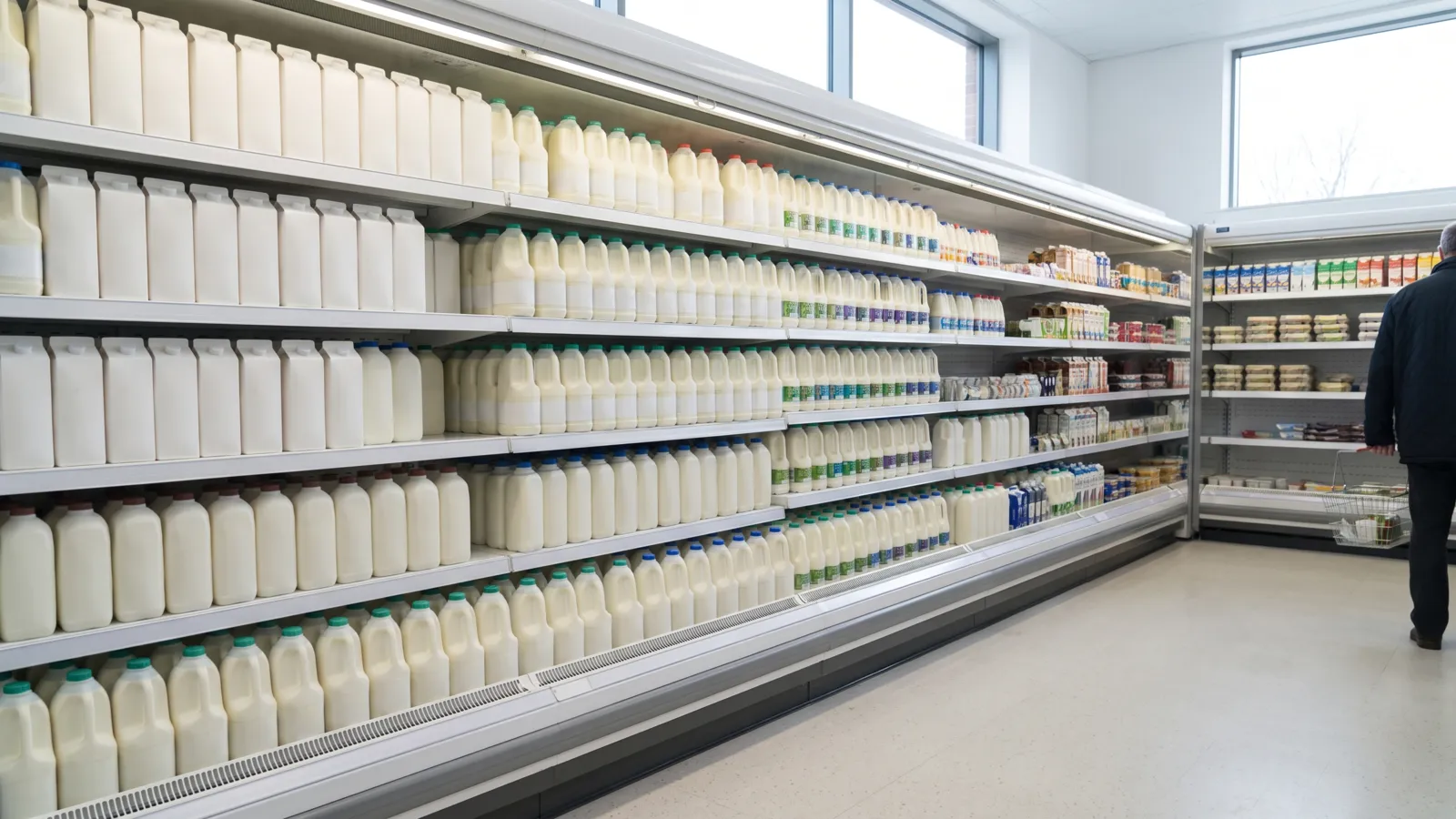
Is there going to be a milk shortage in the UK?
A “milk shortage warning” is in the headlines as drought cuts what dairy farms produce. Deliveries are down a few per cent and farm costs are up. No retailer is rationing and nobody official has warned of empty shelves. Here is the evidence.
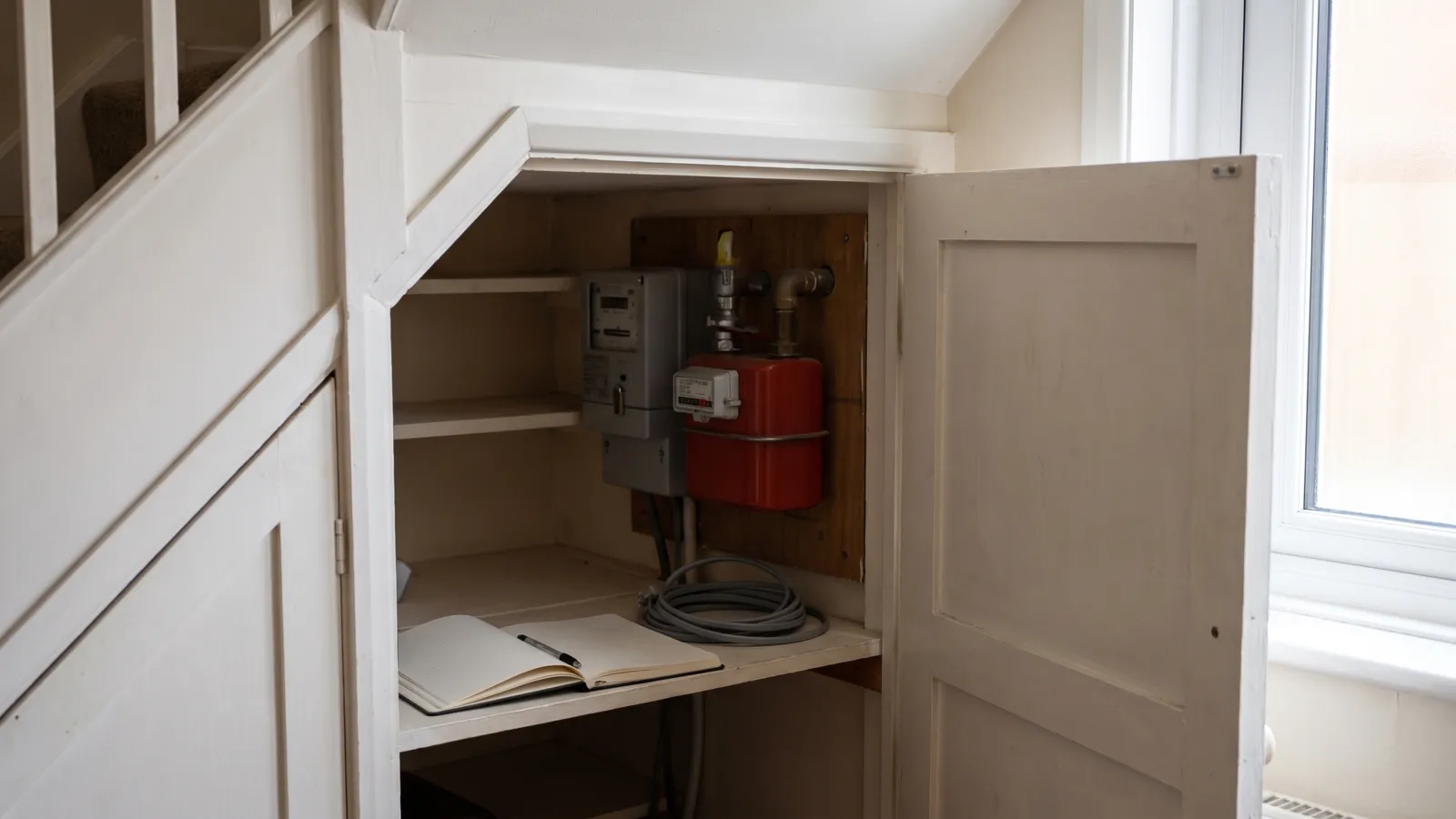
Do you need to take a meter reading before 1 October?
The energy price cap rises to £1,723 on 1 October 2026. If you have a working smart meter you need do nothing. If you don’t, a reading is worth two minutes — but it is pounds, not hundreds. And the scary January figure in the headlines is a forecast, not Ofgem’s.
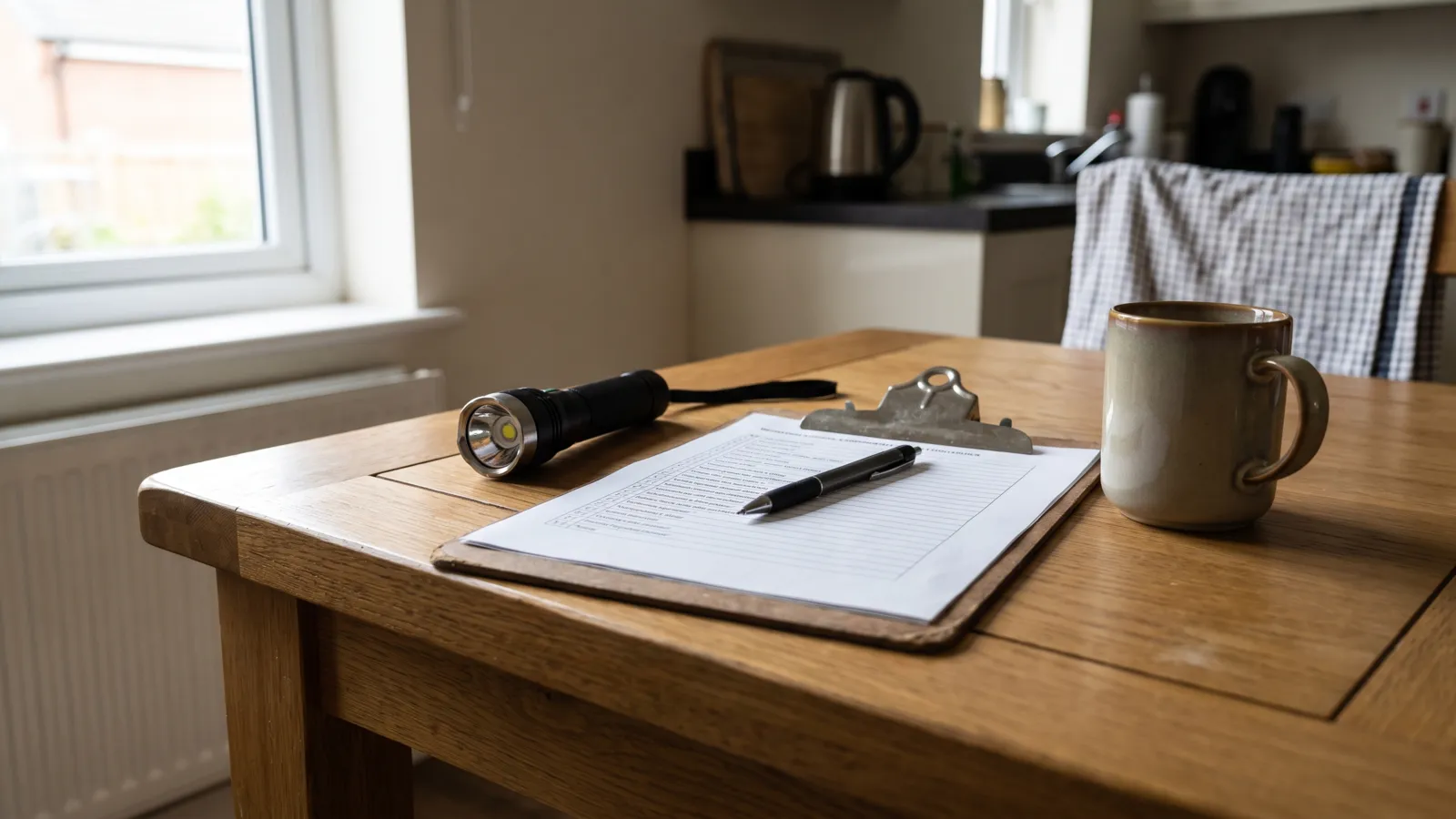
Is there a new government emergency checklist? What it actually asks you to do
Headlines report a new government checklist, “5 essential items” and “6 things to check at home”. There is no new checklist: it is advice that has been on GOV.UK since 2024, counted differently by each newspaper. Here is the real list.
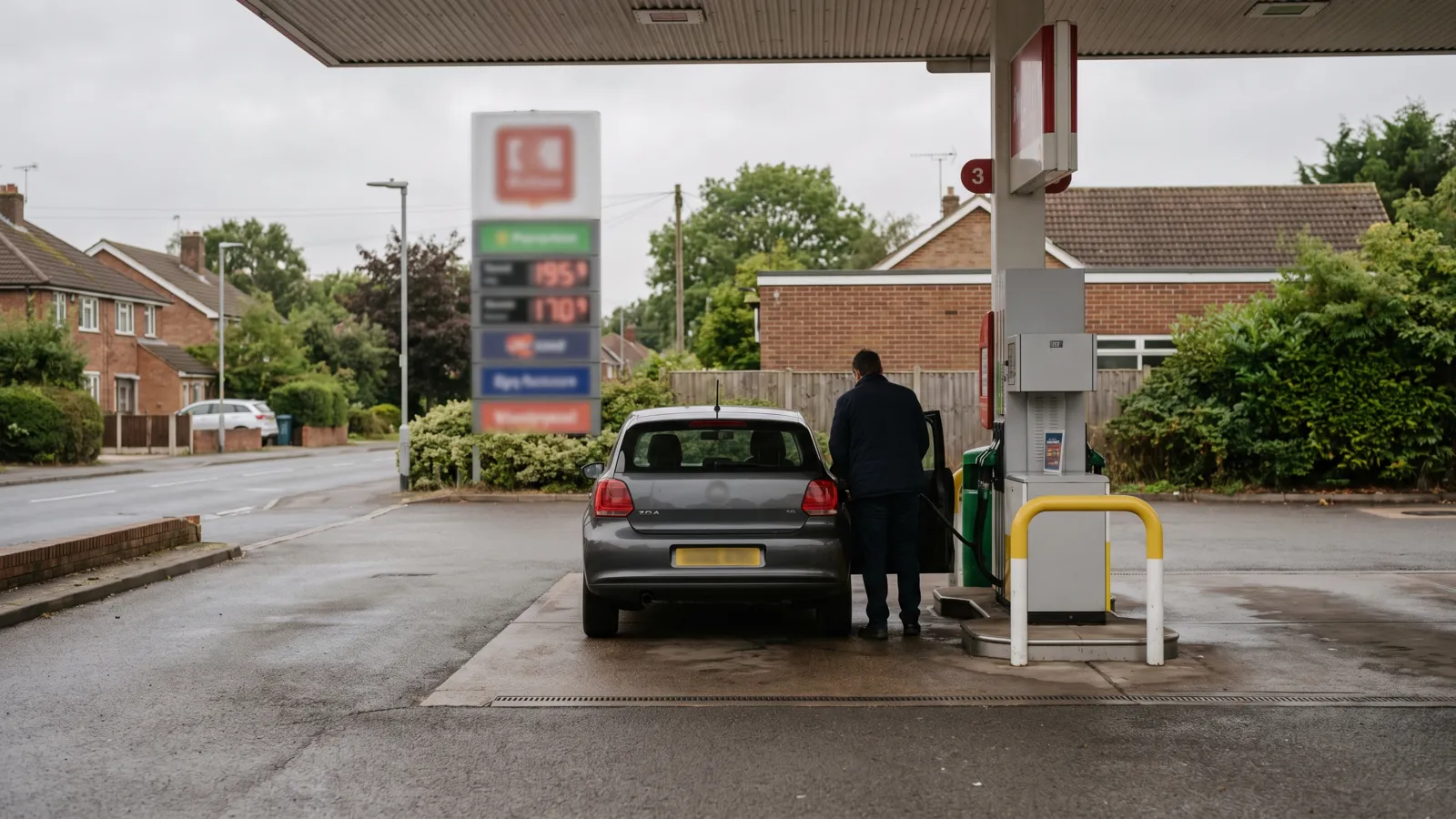
Why is diesel so expensive — and does the 60mph rule really save fuel?
Diesel is within a few pence of its all-time record. Here is why it is diesel in particular, how much of a litre is tax, whether there is any shortage (there isn’t), and what slowing to 60mph actually saves.
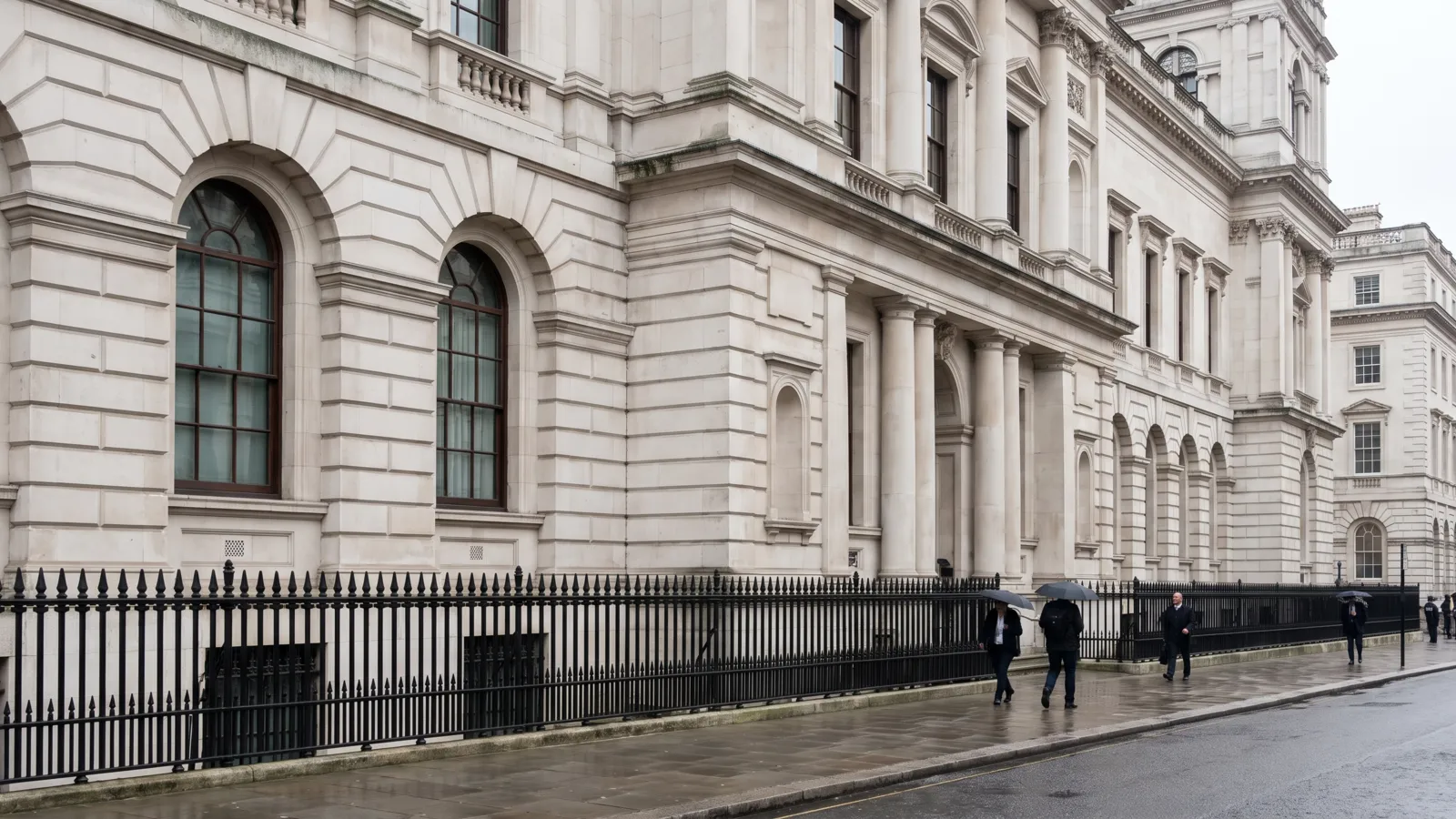
What is the government’s War Book — and is it really being updated?
Reports say Britain is updating its War Book for the first time in decades because Russia is planning an attack. One half of that is confirmed by ministers. The other half has no source. Here is which is which.
Is the UK setting up a civilian ‘war register’?
Headlines say Britons are being urged to join an emergency civilian register. No such register exists. Here is who proposed one, what the government has actually said, and what you can genuinely sign up to today.
Kit reviews, price-checked
Every recommendation is checked against at least two independent sources, with UK prices re-checked on a schedule — and we say plainly when not to buy.
Jump starters
NOCO, CTEK, Ring and GOOLOO jump starters compared on the engines they honestly start — not inflated peak-am…
Radiator & heating efficiency
Adey filters, tado and Hive smart TRVs, SpeedComfort fans and reflector foil compared, UK prices tracked — p…
Personal & careline alarms
SureSafe, CPR Guardian, Doro and TTfone alarms compared — 4G status, fall detection and true monthly costs. …
Power stations
Keep the fridge, wifi and phones running in a blackout — the best UK power stations, tested against price an…
Keeping warm without power
Hot water bottles, wool and down blankets, thermal layers and heated throws — how to stay warm in a winter p…
Carbon monoxide alarms
FireAngel, Aico, Kidde and more — CO alarms compared on sensor life, standards and display, so you buy one t…
Winter driving kit
Snow socks, chains, scrapers and shovels compared for UK winters, with prices tracked. No UK road requires c…
Emergency food
UK emergency food supplies and kits, compared on calories, shelf life and cost per adult per day — how long …
Dehumidifiers
Meaco, EcoAir and Pro Breeze dehumidifiers compared and price-tracked for UK homes — including which ones wo…
Explore PreparedBritain
Live national data, honest kit, government schemes and growing your own — all in one calm place.
Live trackers
Britain right now — floods, power cuts, hosepipe bans, drought and more, from official data.
Save money
Government grants and bill support, explained plainly — heat pumps, solar, energy bills.
Grow your own
Food resilience from the garden — beds, greenhouses, preserving, fishing and foraging.
Your local risk
Check the long-term flood risk where you live, area by area.
Area dossiers
Your area's crime, flood, water and power picture on one page — live data, official sources.
The Blackout Briefing
One email when it actually matters: severe weather inbound, live incidents, recalls, and genuine kit price drops. No noise. Free forever.